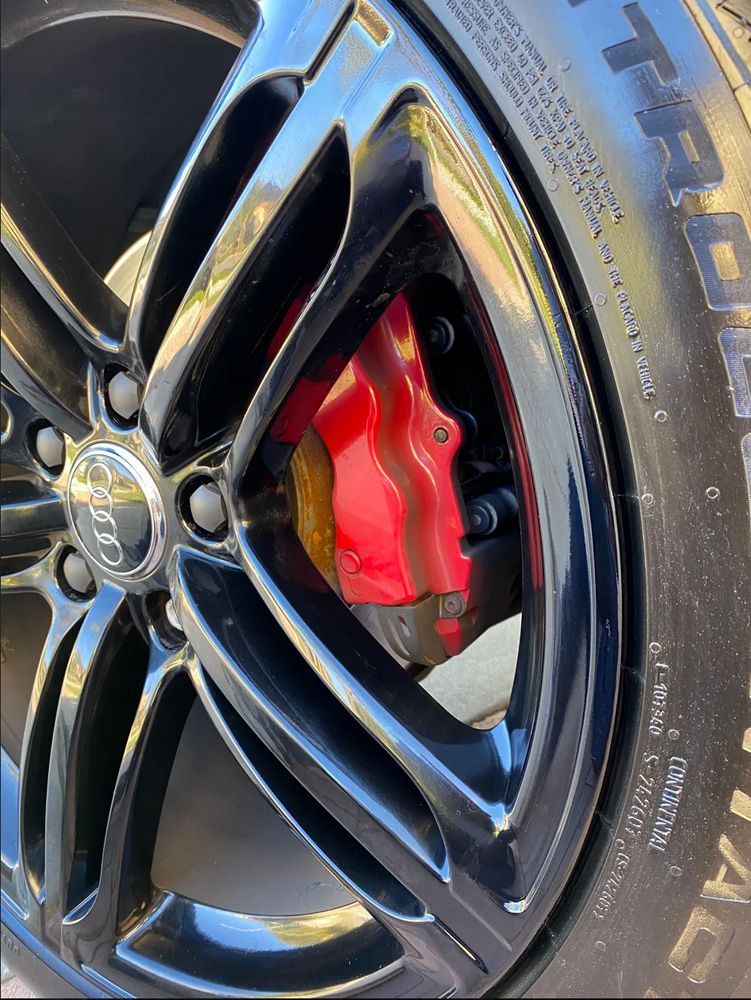
Corroded Wheel Repair
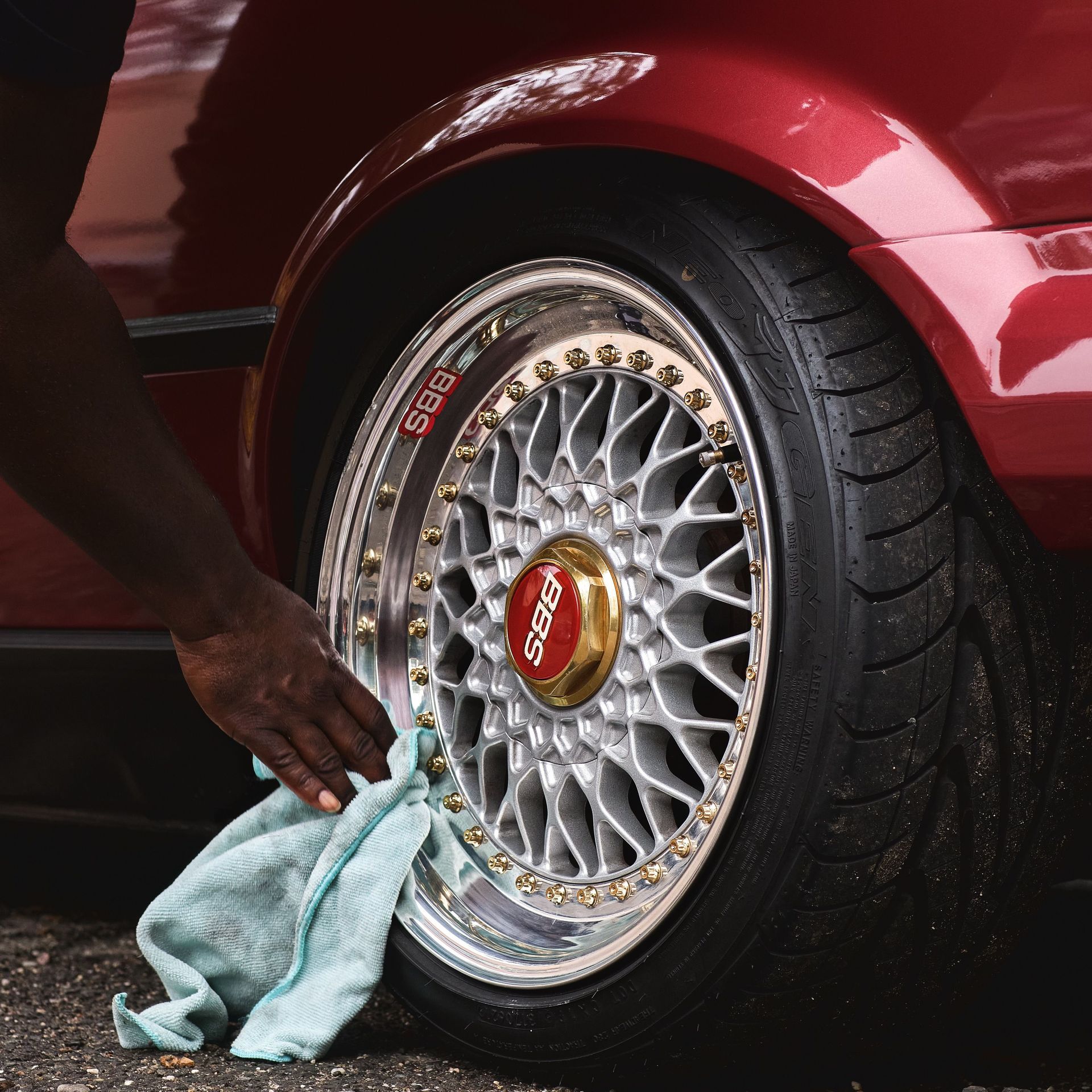
Wheels Affected by Oxidation and Surface Breakdown
Corroded Wheel Repair in San Diego for wheels showing peeling clear coat, bubbling paint, and oxidation damage
Oxidation appears as white or gray powdery buildup on the wheel surface, paint that bubbles and peels away in flakes, and pitting where the metal surface has degraded. When protective coatings fail, moisture reaches the aluminum underneath and causes corrosion that spreads outward from the initial failure point. AJ Wheel Repair- restores wheels affected by this process through corroded wheel repair in San Diego, removing damaged coatings and treating the affected metal before applying new protective finishes.
Corrosion repair starts with stripping all existing coatings down to bare metal using chemical strippers or media blasting, which reveals the full extent of the oxidation. Pitted areas are treated and smoothed, then the entire wheel is sealed with a corrosion-resistant primer before the final color coat and clear coat are applied, creating a barrier that prevents moisture from reaching the metal again.
Arrange an inspection to identify which wheels have progressed beyond surface oxidation and require full refinishing.
Why Corrosion Spreads and How Repair Stops It
Once the clear coat develops a crack or chip, moisture penetrates and becomes trapped between the coating and the metal surface. This trapped moisture causes oxidation that pushes the coating outward, creating the bubbling effect you see before the paint starts peeling away in larger sections. Attempting to paint over existing corrosion without removing the compromised coating results in continued peeling because the oxidation process underneath remains active.
After proper corrosion repair, the wheel surface appears uniform without the white oxidation residue or peeling sections that were visible before. The new coating adheres directly to treated metal, so you won't see bubbling develop in the same areas where corrosion previously appeared.
The repair addresses cosmetic corrosion on the wheel face and barrel, but does not repair structural corrosion that has caused cracking or material loss in load-bearing areas. Wheels with that level of degradation require replacement rather than refinishing for safety reasons.
Common Questions About Corrosion Damage
Wheel corrosion raises specific questions about repair viability and long-term durability after treatment.
What causes wheels to corrode in the first place?
Corrosion develops when the protective clear coat or paint fails due to chips, scratches, or manufacturing defects, allowing moisture and road salt to reach the bare aluminum and trigger oxidation.
How do you prepare a corroded wheel for refinishing?
All existing coatings are completely removed through chemical stripping or media blasting, then the bare metal is treated with acid etching or conversion coatings that neutralize oxidation and prepare the surface for primer adhesion.
When is corrosion too advanced for repair?
If oxidation has caused deep pitting that compromises the wheel's structural thickness or has spread to areas where the wheel mounts to the hub, replacement is the safer option instead of attempting cosmetic repair.
Why do some wheels corrode faster than others in San Diego?
Proximity to coastal areas exposes wheels to salt-laden air that accelerates corrosion once protective coatings are breached, and wheels on vehicles parked outdoors face more moisture exposure than garaged vehicles.
What maintenance prevents corrosion from returning?
Regular washing to remove road salt and brake dust, along with periodic inspection for coating damage that can be touched up before moisture penetrates, extends the life of refinished wheels significantly.
AJ Wheel Repair- evaluates corrosion severity and determines whether wheels are candidates for refinishing or require replacement. Contact us to schedule a detailed assessment of your wheels' condition and discuss restoration options.