Two-Tone Wheel Refinishing
Two-Tone Wheel Finishes Restored Across the Full Set
Two-tone wheel refinishing in San Diego for wheels with contrasting color damage, faded secondary finishes, or inconsistent appearance across the set
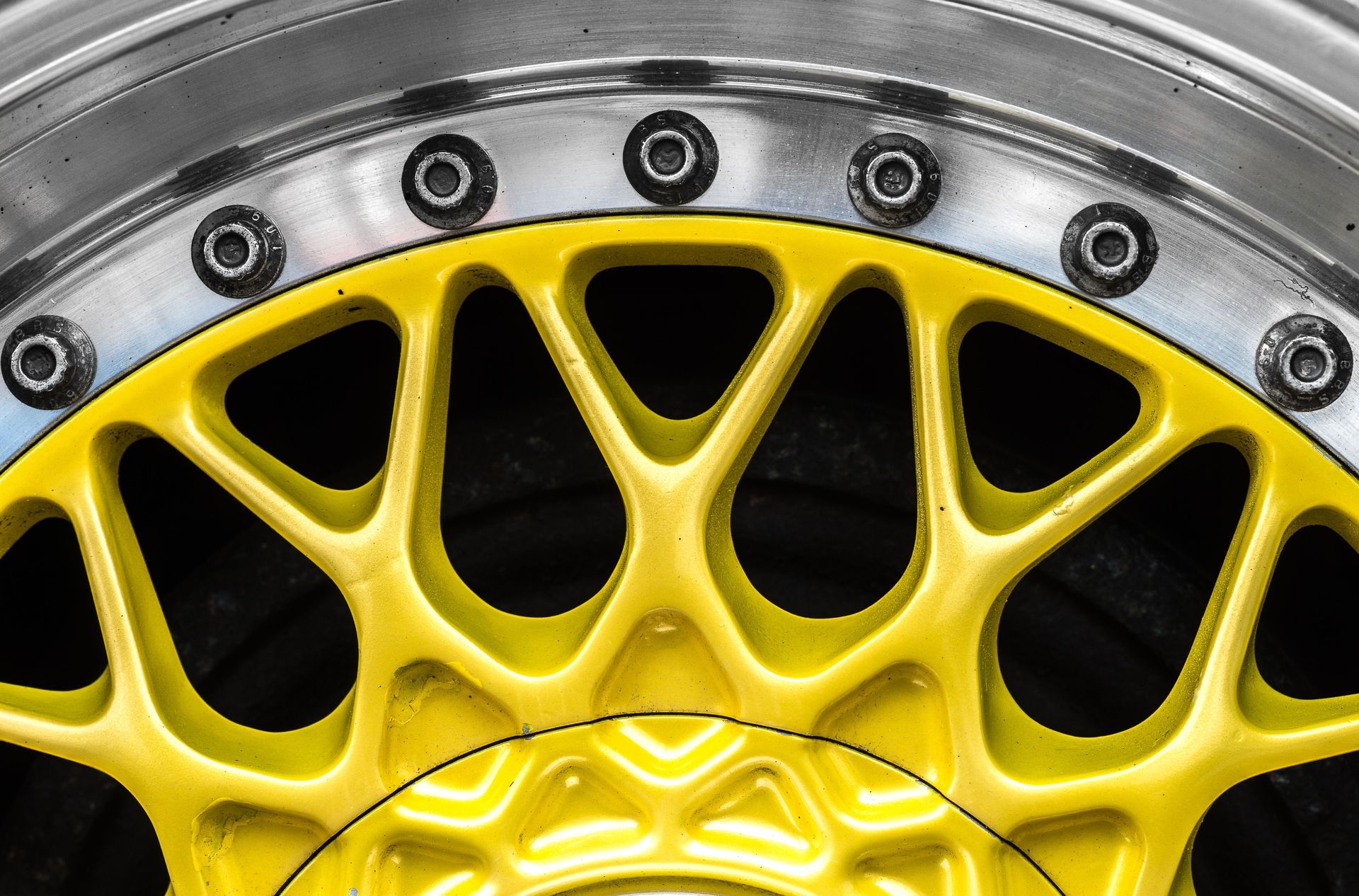
Two-tone wheel finishes require a more involved refinishing process than single-color wheels because damage to one zone of the wheel—a curb scratch on the outer lip, fading on the spoke faces, or peeling at the barrel edge—affects the visual relationship between the two colors, not just the damaged area alone. AJ Wheel Repair handles two-tone wheel refinishing in San Diego for drivers whose wheels feature contrasting finishes on different zones, such as a machined face with a painted barrel, a dark spoke with a polished lip, or a painted center with a contrasting outer ring. When one color is damaged, the contrast that makes the design readable is disrupted, and restoring it correctly means addressing both the mechanical damage and the color coordination simultaneously.
The process involves masking and sequencing the two finish zones separately to maintain a clean edge between them. On wheels with a machined or polished element paired with a painted element, the sequence matters: the painted zone is typically completed first, the masking is set precisely at the transition line, and the polished or clear-coated zone is finished second to avoid overspray contaminating the polished surface. On wheels with two painted zones in contrasting colors, the same masking and sequencing logic applies, with each zone cured before the next is applied. A clean, sharp edge at the transition is one of the clearest indicators of quality on a two-tone finish.
Arrange a mobile evaluation to review your wheels' two-tone finish and identify which zones require restoration before work begins..
What Proper Two-Tone Refinishing Requires
Achieving a consistent two-tone result across a full set of four wheels requires that the color, sheen, and edge line of each zone are reproduced identically on every wheel. Variation in where the masking edge is placed, even by a few millimeters, produces a visible inconsistency when the wheels are viewed together on the vehicle. AJ Wheel Repair sets masking lines against the wheel's existing design geometry—raised edges, grooves, or milled transitions that define where one zone ends and the other begins—rather than estimating by eye. When the wheel's original design includes a physical boundary between zones, that boundary doubles as the masking guide, which is why two-tone finishes with clear structural transitions between zones are easier to restore consistently than those with soft color gradients.
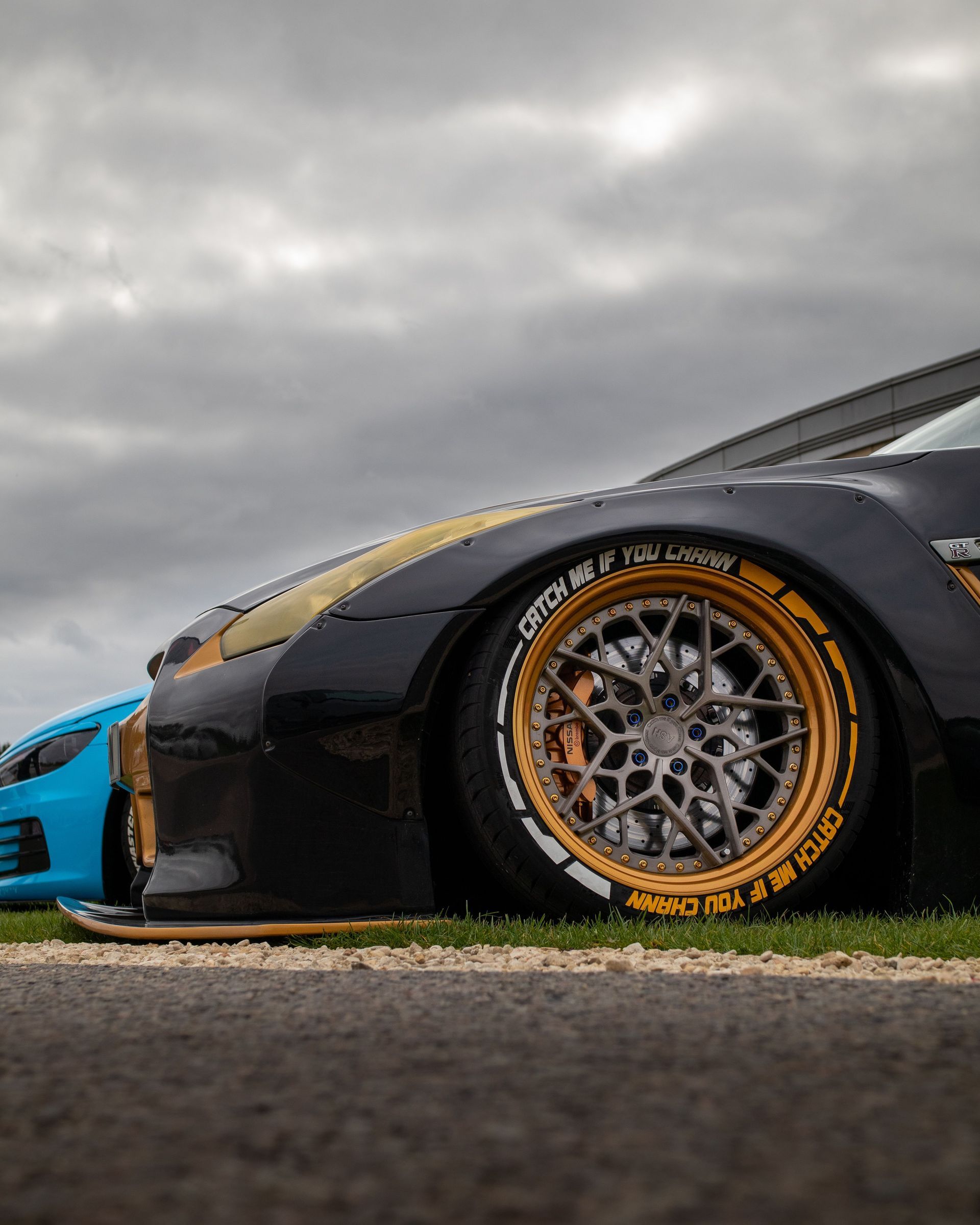
After two-tone refinishing is complete, each wheel shows the same color depth and edge definition as the others in the set when viewed from a standing position at the side of the vehicle. Spoke faces and lips that previously showed the original contrasting finish in only partial areas—because damage had stripped part of one color—read as fully restored, and the contrast between the two zones is visually clear rather than muddy or blended at the transition.
Two-tone refinishing can restore a factory two-tone specification or establish a new two-tone configuration on a wheel that was originally a single color. In either case, the approach is the same: color selection, masking geometry, and sequencing are determined before any coating is applied, because changes to any of those factors once the process is underway require stripping and restarting rather than adjusting in place..
Common Questions About Two-Tone Wheel Refinishing
Two-tone refinishing involves more decision points than single-color work, and those decisions affect both the visual outcome and the sequencing of the job. The questions below address how the process works and what the finished result should look like.
How is the boundary between the two finish zones established on a wheel without a physical groove or raised edge?
When no physical boundary exists, the masking line is placed based on the design geometry visible on the least-damaged wheel in the set, and that measurement is applied consistently across the other wheels to maintain uniformity.
What types of two-tone combinations can be restored through this service?
Painted-and-machined, painted-and-polished, painted-and-clear-coated barrel, and dual-painted finishes in contrasting colors are all within scope; combinations that involve chrome plating on one zone require a different process and are typically outside standard refinishing.
Why is the sequence in which the two zones are finished important?
The zone finished first is masked before the second is applied, so the first must be fully cured to prevent the mask from lifting the coating when it is removed—applying the second zone too early produces ragged or feathered edges at the transition line.
How does curb damage on the outer lip of a two-tone wheel affect the refinishing process?
Lip damage is corrected mechanically before any coating is applied; if the lip is the lighter or more reflective of the two zones, the filler and primer work on that zone must be completed and sanded before color is applied, because imperfections in the substrate remain visible through a light or polished finish in a way they do not through dark painted zones.
What does a correctly finished two-tone wheel set look like when all four wheels are viewed together on the vehicle in San Diego's bright ambient light?
Each wheel shows the same edge line position, the same color depth in both zones, and the same sheen on equivalent surfaces—no wheel in the set should appear lighter, darker, or differently proportioned than the others when viewed from ten feet at eye level.
AJ Wheel Repair completes two-tone wheel refinishing as a mobile service throughout San Diego, so the restoration is done where your vehicle is located rather than requiring shop transport. To discuss the specific finish combination on your wheels and confirm the restoration approach, contact AJ Wheel Repair to schedule an on-site review before the project is planned.