Silver Wheel Refinishing
Faded Silver Wheels Restored to Factory Condition
Silver wheel refinishing in San Diego for alloy wheels showing oxidation, curb scratches, or finish discoloration
AJ Wheel Repair handles silver wheel refinishing for drivers whose alloy wheels have developed the chalky, dull oxidation or surface scratches that accumulate on silver-finished wheels over time. Silver is one of the most common factory finishes on passenger vehicles and light trucks, and it is also one of the most visually unforgiving when damaged—light-colored finishes show curb rash, corrosion blooming, and clear coat peeling at close range. AJ Wheel Repair restores those wheels in San Diego without requiring a full wheel replacement.
The refinishing process begins with surface preparation: stripping the damaged clear coat or failed finish down to clean alloy, correcting scratched or gouged areas, and applying a color-matched silver base coat that aligns with the original factory shade. Silver wheel finishes vary more than most drivers realize—some are warm-toned with a slight gold or champagne cast, others are cool chrome-adjacent, and fleet-spec silvers often read lighter under artificial light than under the sun. Matching the original correctly requires color assessment against the vehicle's unaffected surfaces, not against a generic silver reference. Once the base coat is applied and cured, a protective clear coat seals the finish and restores the reflective quality the wheel had when new.
Schedule an on-site assessment to review the condition of your wheels and determine the correct color match for your specific finish.
What the Refinishing Process Actually Corrects
Surface damage on silver alloy wheels typically falls into three categories: mechanical damage from curb or road contact, coating failure from UV exposure and wash chemicals that break down the clear coat, and galvanic corrosion that appears as white or dark pitting along the spoke edges or barrel. Each requires a different preparation step before refinishing. Mechanical damage is filled, leveled, and sanded to restore a smooth profile; coating failure is stripped entirely so the new finish bonds to clean alloy; active corrosion is treated before any coating is applied, because painting over live corrosion causes premature peeling regardless of top-coat quality.
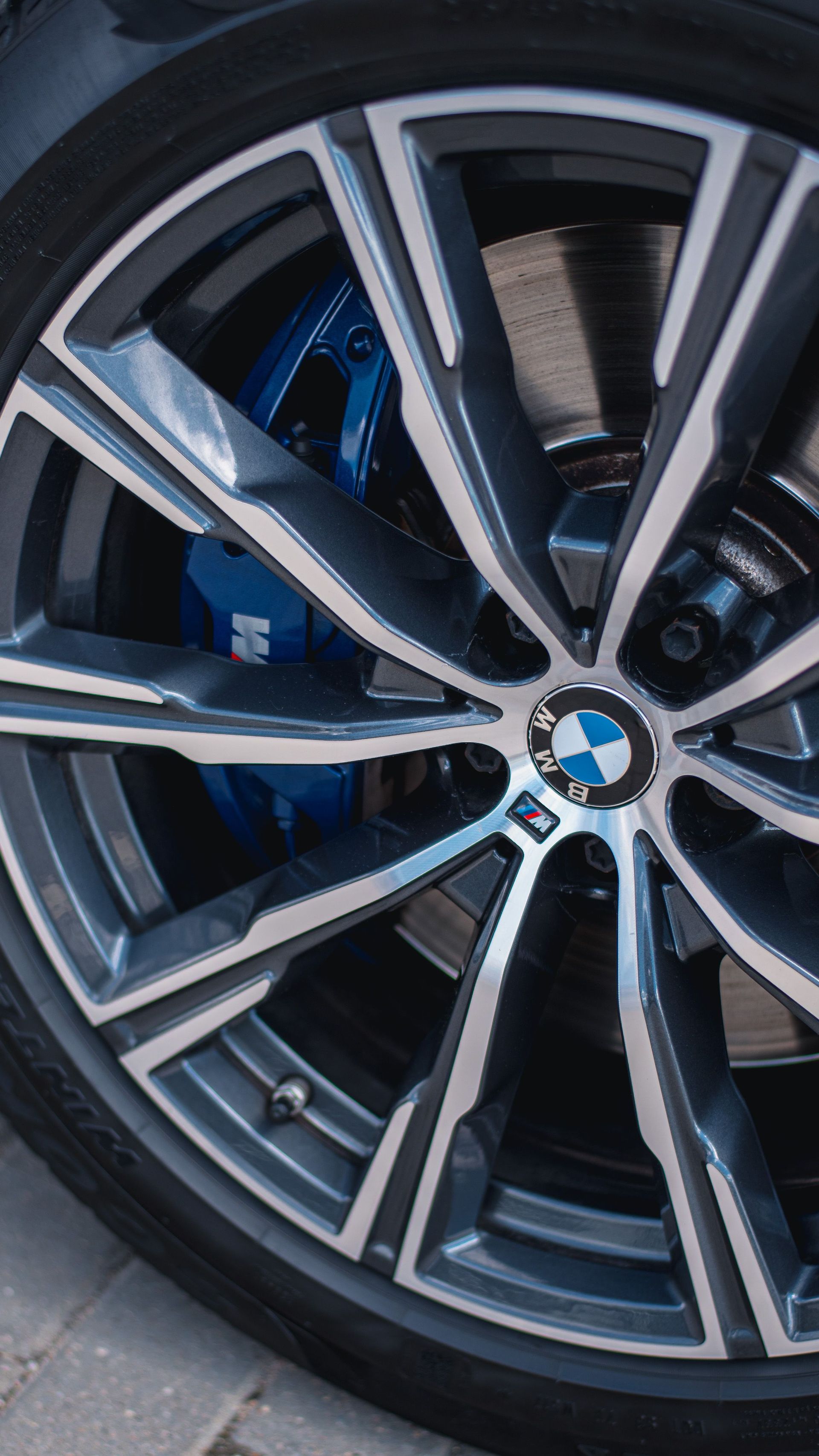
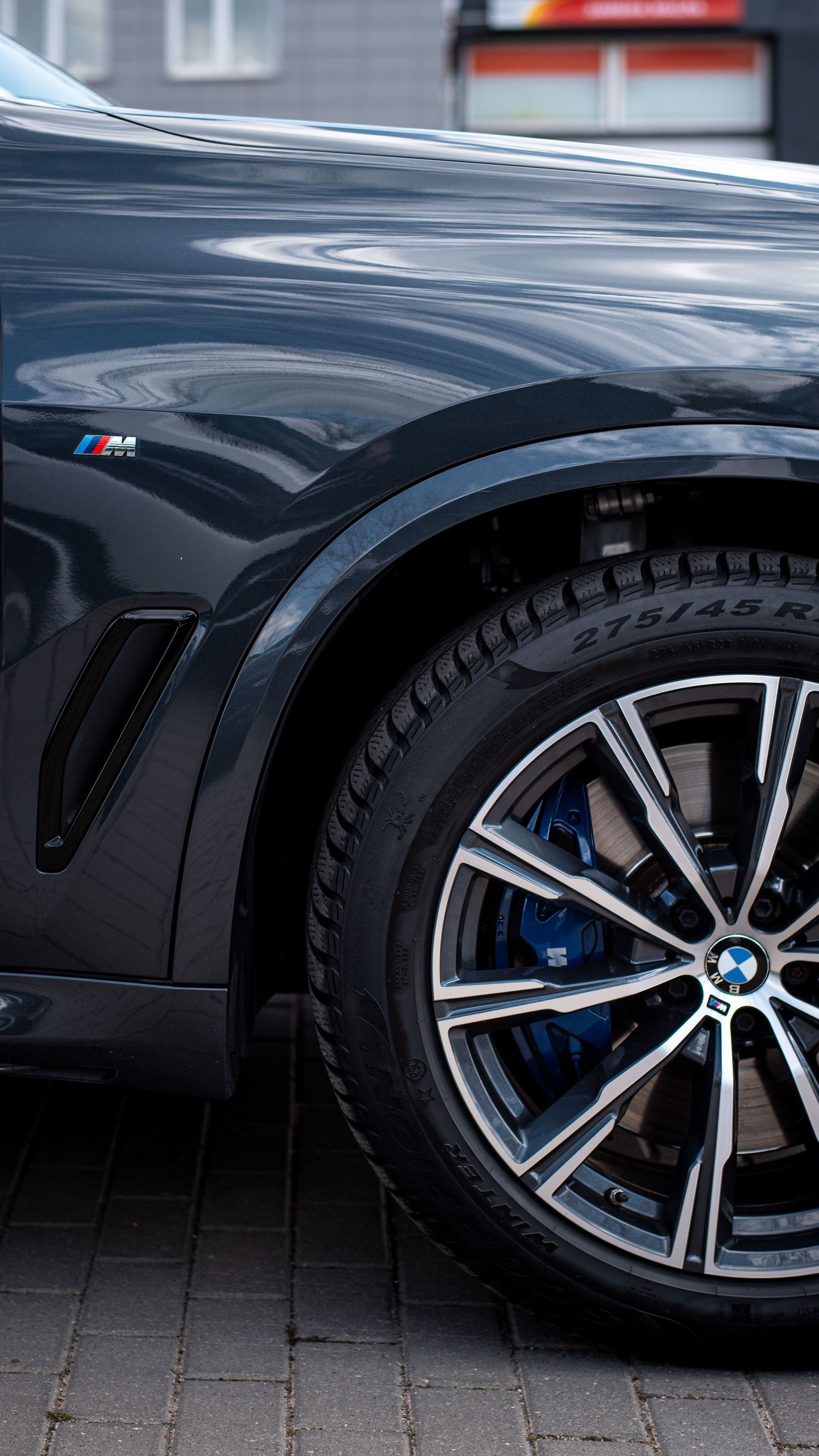
After refinishing is complete, the visual change is straightforward to observe: the chalky or patchy surface is replaced by an even, continuous silver finish that reflects light the same way across every spoke face and lip. Scratched areas that previously caught the eye at a distance disappear into a smooth, consistent surface. The clear coat over the new finish also provides a measurable layer of protection against the kind of light chemical exposure and minor abrasion that degrades unprotected alloy faster than most drivers expect.
One consideration worth noting: if only one or two wheels are damaged, the goal during refinishing is to match the existing wheels closely enough that the set reads as uniform from a normal viewing distance. AJ Wheel Repair performs single-wheel refinishing regularly, but the color assessment step is especially important in those cases to avoid a mismatched appearance across the axle..
Common Questions About Silver Wheel Refinishing
Drivers often have specific questions about what silver wheel refinishing corrects, how the process works on different alloy types, and what the finished result looks like up close.
What surface conditions can silver wheel refinishing correct?
Refinishing addresses curb scratches, clear coat peeling, oxidation, minor pitting, and discoloration from brake dust contamination or chemical exposure. Deep structural gouges that affect the wheel's integrity are outside the scope of a cosmetic refinishing service.
How is the correct silver shade matched to existing wheels?
The technician evaluates the color against the vehicle's unaffected wheels and reference panels under consistent lighting, since silver finishes vary significantly between manufacturers and even across model years for the same vehicle line.
What happens to the alloy surface before the new finish is applied?
The damaged or failed coating is stripped, the surface is sanded and leveled, and any active corrosion is treated before primer and color coat are applied—skipping surface preparation is the most common reason refinished wheels fail prematurely.
How does refinishing differ on multi-piece alloy wheels compared to standard cast wheels?
Multi-piece wheels may require disassembly to refinish the barrel and face separately and avoid overspray at the seam; cast one-piece wheels are finished as a single unit, which simplifies the process and reduces the risk of finish inconsistency at edges.
What should you look for in the finished work to confirm quality?
A correctly refinished silver wheel shows even color depth across all spoke faces with no visible blending seams, the lip shows the same sheen as the face, and the clear coat lays flat without orange-peel texture under close inspection in direct light.
AJ Wheel Repair provides mobile silver wheel refinishing so the work is completed at your location rather than requiring you to leave your vehicle at a shop. Contact AJ Wheel Repair to arrange a mobile appointment and get a detailed evaluation of your wheels' current condition before any work begins.