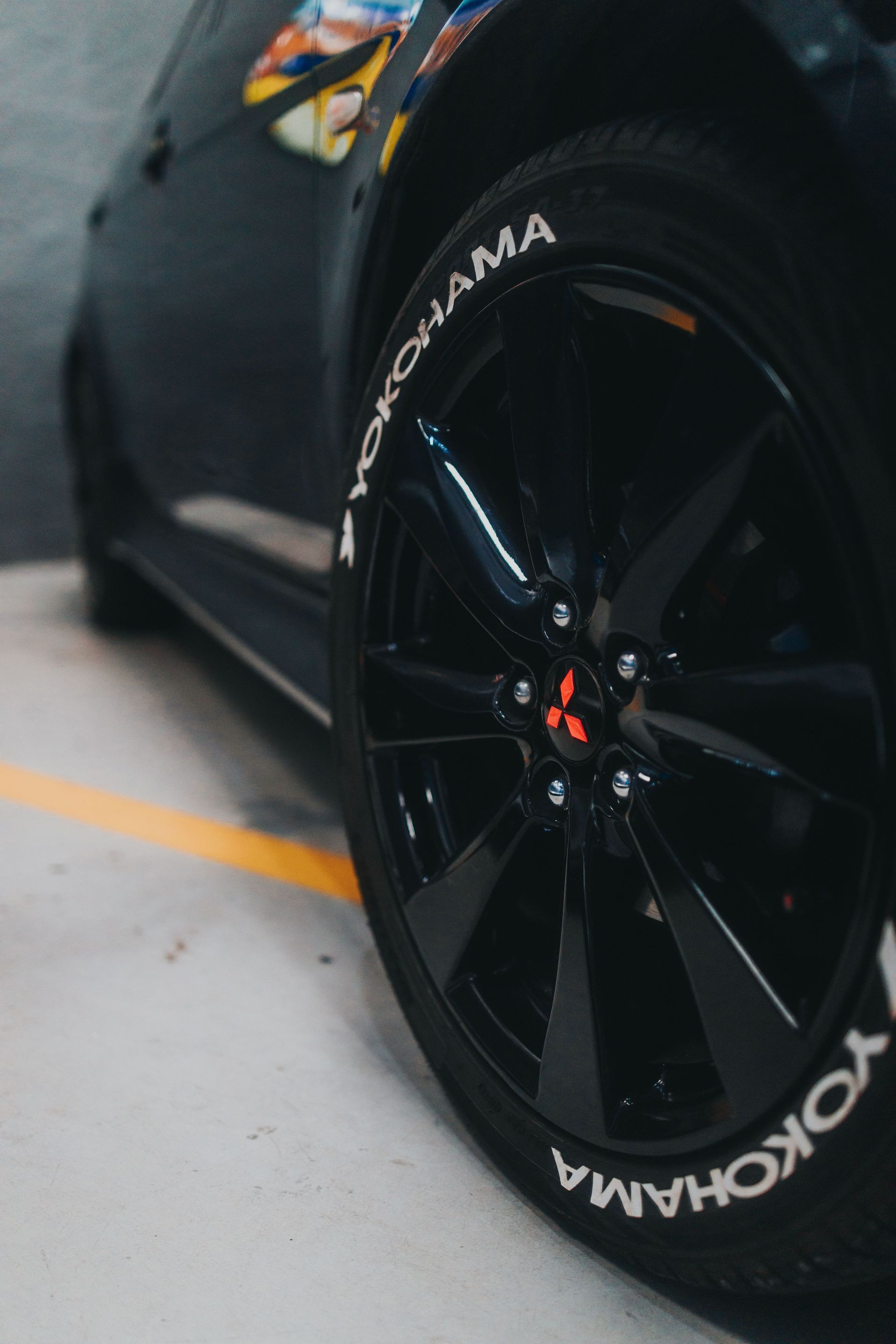
Matte Black Wheel Refinishing
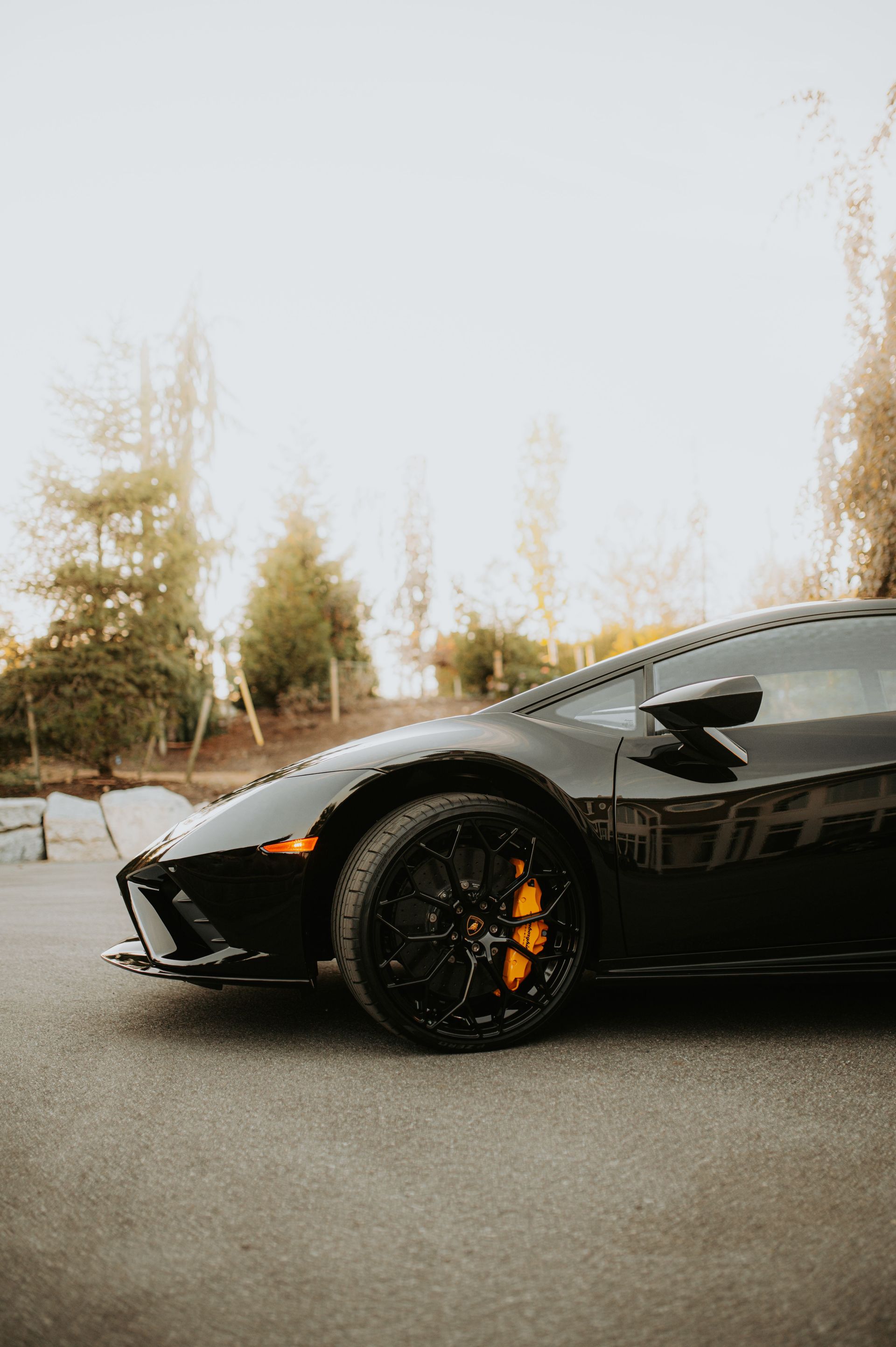
Matte Black Finish Done Without Gloss Contamination
Matte black wheel refinishing in San Diego for wheels with scratches, peeling coatings, or an uneven non-reflective finish
Matte black is one of the most visually sensitive wheel finishes to repair because the non-reflective surface exposes every inconsistency—touch-ups that introduce even a slight sheen difference are immediately visible, and blending is far more difficult than on gloss finishes. AJ Wheel Repair performs matte black wheel refinishing in San Diego, restoring wheels with scratched, chipped, or deteriorating matte coatings to a consistent flat-black appearance across the entire surface. This applies to both factory-applied matte finishes and previously refinished wheels that have begun to show wear.
The refinishing process on matte black wheels follows the same preparation sequence as any alloy refinishing—full coating strip, surface correction, primer, and base coat—but the critical difference is the top coat. A matte finish is achieved through a flat or low-sheen clear coat that scatters light rather than reflecting it. The specific formulation matters: some matte clears produce a slightly satin result that reads as low-sheen rather than truly flat, and others create a chalky texture that looks correct dry but develops a blotchy appearance when the wheel gets wet. Selecting the correct flat clear for the intended depth of matte is a decision that affects both the visual result and how the finish holds up under regular washing.
Set up a mobile assessment to evaluate your matte black wheels and determine which refinishing approach applies to your specific coating type.
The Difference Between Matte, Satin, and Gloss Black Wheels
Matte, satin, and gloss black are three distinct finish types that differ in how the clear coat is formulated rather than in the base color. All three use a black base coat, but the clear coat applied over that base determines the sheen level and the maintenance requirements. Gloss black reflects light directly and shows fingerprints, water spots, and surface scratches clearly. Satin black scatters some light and sits between gloss and flat in both appearance and upkeep. Matte black scatters most of the light that hits it and reads as non-reflective under normal conditions. During refinishing, AJ Wheel Repair matches the clear coat type to whatever the wheel originally had—or to the client's specified preference if the finish is being changed within this range.
After a matte black refinishing job is completed correctly, the wheel surface shows an even, non-reflective appearance with no glossy patches where the clear coat has been applied heavier, no visible seams at repaired areas, and no texture variation between the spoke faces and the barrel. A common failure indicator on improperly refinished matte wheels is a subtle sheen that appears at certain angles, which indicates either the wrong clear coat type was used or the application was too heavy in isolated areas.
Matte finishes also require specific maintenance after refinishing—standard car-wash soaps and waxes designed for gloss paint can leave a residue on matte clear coats that creates a patchy sheen over time. Part of what AJ Wheel Repair communicates after matte refinishing is which products are compatible with the specific flat clear used, so the finish stays consistent between washes..
Questions Before Starting Your Project
Matte black refinishing involves finish-type decisions and maintenance considerations that don't apply to gloss or silver finishes. The questions below address the most common points of confusion about the process and what to expect from the finished work.
What causes a matte black finish to develop shiny patches over time?
Gloss contamination is the most common cause—contact with wax-based products, polish residue, or certain tire dressings transfers oils onto the flat clear coat and creates localized reflective areas that cannot be buffed out without damaging the finish further.
How is a scratch repaired on a matte wheel without creating a visible sheen difference at the repair site?
The damaged area is stripped and refinished using the same flat clear formulation applied at a consistent film thickness across the repaired zone and the surrounding surface, which is why spot repairs on matte finishes are technically more demanding than on gloss wheels where blending is more forgiving.
What is the difference between a factory matte finish and an aftermarket matte coating in terms of durability?
Factory matte finishes are typically applied in a controlled environment with baked-on clear coats that cure at temperatures higher than mobile refinishing equipment uses; aftermarket and mobile-applied flat clears can achieve comparable durability when the surface preparation and cure schedule are managed correctly, but the curing window is longer.
How does the refinishing process differ for a wheel that had a gloss coating previously converted to matte?
The gloss clear is fully stripped rather than coated over, because applying flat clear over an intact gloss layer produces a surface that appears matte initially but develops a reflective quality as the top layer wears through to the gloss beneath.
What should you check when inspecting finished matte black wheels in San Diego sunlight to confirm the coating is consistent?
View each wheel at a low angle in direct sunlight: a correct matte finish shows no bright reflection at any angle, uniform texture across spoke faces and barrel, and no color variation between the area closest to the center cap and the outer lip.
AJ Wheel Repair performs matte black wheel refinishing as a mobile service, completing the work at your location in San Diego without requiring shop drop-off. To discuss your wheels' current condition and confirm the appropriate flat clear formulation for your finish, contact AJ Wheel Repair to arrange an on-site evaluation.