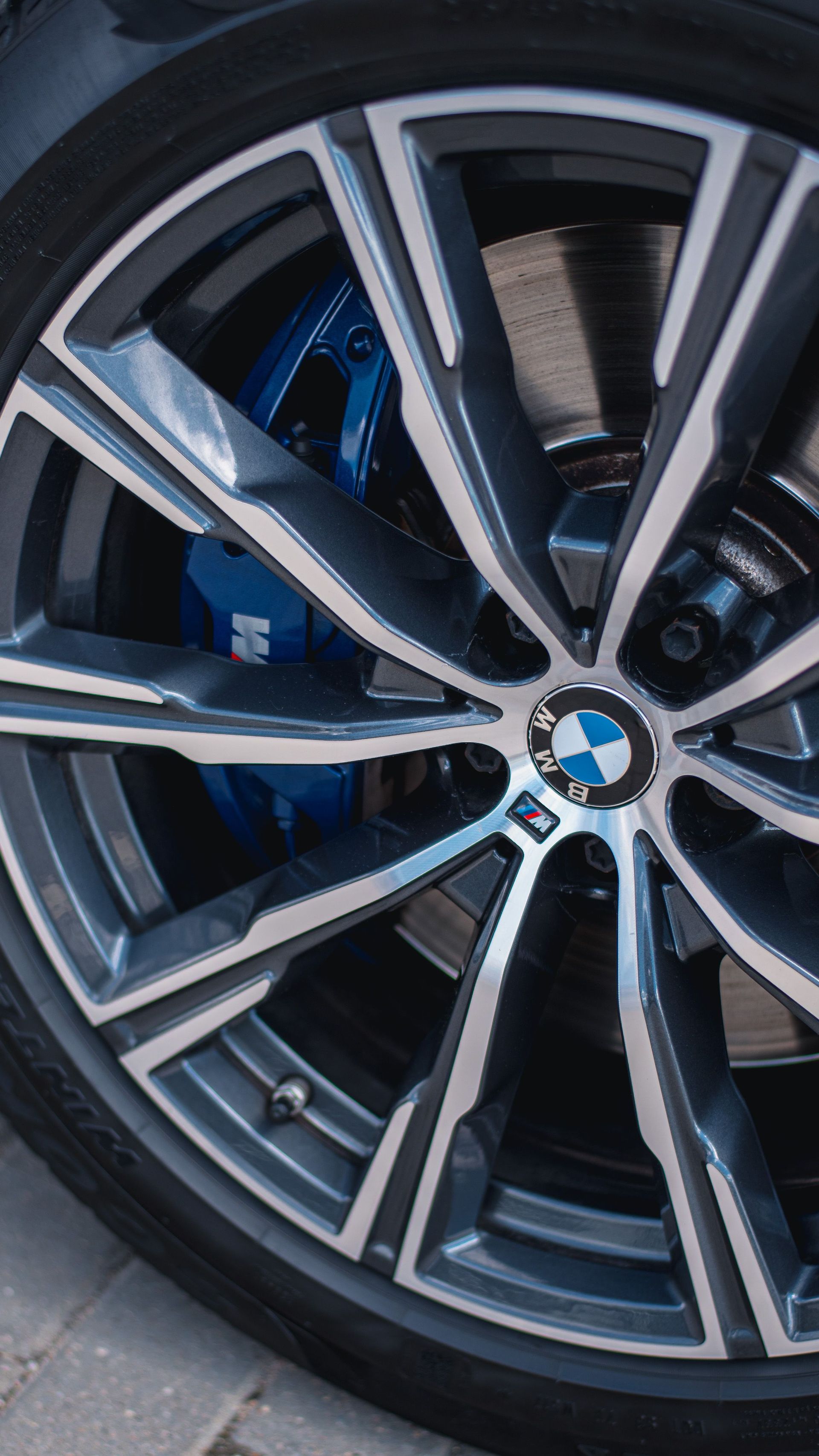
OEM-Style Wheel Refinishing
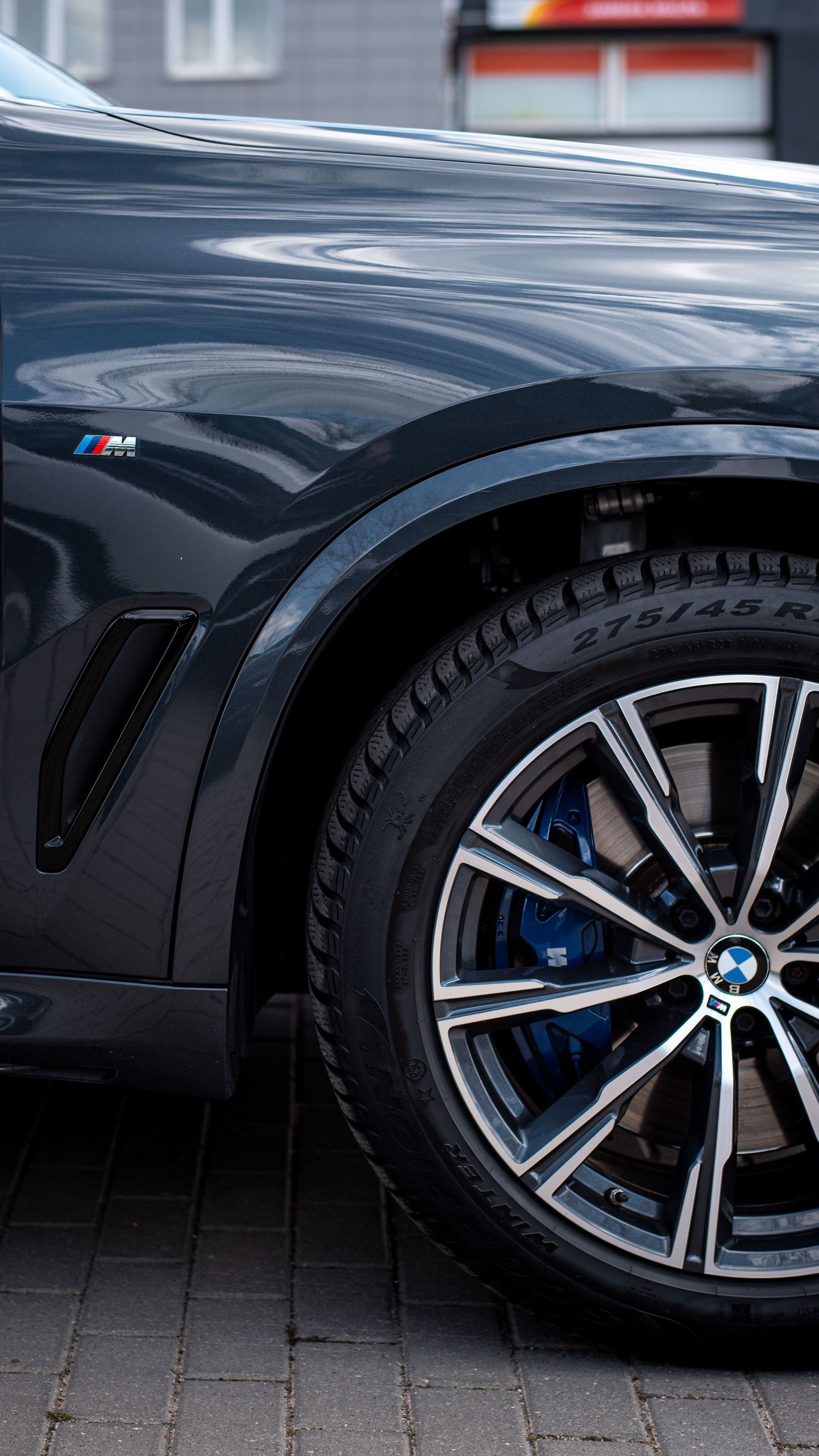
Wheels Returned to Their Original Factory Appearance
OEM-style wheel refinishing in San Diego for alloy wheels with cosmetic damage, faded coatings, or mismatched previous repairs
Replacing a damaged alloy wheel with an OEM part is rarely necessary when the wheel's structural integrity is intact—but getting the finish right without replacing the wheel requires more than a coat of paint. AJ Wheel Repair performs OEM-style wheel refinishing in San Diego, restoring the original factory color, sheen level, and finish texture so the wheel reads correctly against the vehicle it came on, not just approximately correct under certain lighting conditions. This service is built for drivers who want the wheel to look the way it did before the damage, not a close approximation.
The process follows the same sequence a factory finish uses: surface preparation to remove the failed coating or damaged material, primer application to establish adhesion, a base coat mixed and matched to the original factory specification, and a clear coat applied in the correct sheen level for that finish. OEM finishes vary considerably in their top-coat characteristics—some factory wheels use a gloss clear, others use a semi-gloss or low-sheen clear that reads flat in certain light. Applying a standard gloss clear over a finish originally specified as semi-gloss produces a wheel that looks finished but noticeably different from the unaffected wheels on the same vehicle. Matching the clear coat type is part of achieving an OEM-correct result.
Arrange an evaluation to review your wheels' factory finish specifications and assess the current damage before refinishing begins..
How OEM Finish Matching Works in Practice
Factory wheel finishes are documented by manufacturer and model year, and that information guides the color and sheen selection during refinishing. For vehicles where the original finish code is available from the manufacturer, AJ Wheel Repair uses that specification as the primary reference. For older vehicles or limited-production trims where factory documentation is incomplete, color matching is performed by evaluating the unaffected surfaces of the wheel under controlled lighting. The goal in either case is a finish that cannot be distinguished from factory by visual inspection at a normal service distance.
After OEM-style refinishing is complete, the corrected wheel aligns with the other wheels on the vehicle in color depth, reflectivity, and texture. Previous repairs that used the wrong base color or the wrong clear coat—often visible as a slightly different shade or sheen under sunlight—are corrected in the process. Drivers who had a single wheel repaired elsewhere and noticed the mismatch afterward are a common case for this service.
OEM-style refinishing does not change the finish type of the wheel—a factory silver wheel is restored to silver, and a factory gloss black remains gloss black. Customers who want to change the color or finish type from what the wheel originally had are better served by a custom refinishing service rather than an OEM restoration approach..
What Property Owners Ask About the Work
OEM-style refinishing raises specific questions about how factory finishes are matched, what the process corrects, and how the result compares to the original. The questions below address how the work is actually done.
What types of cosmetic damage does OEM-style refinishing address?
The service corrects curb rash, clear coat failure, oxidation, faded or discolored factory finishes, and mismatched previous repairs—any damage that affects the wheel's appearance without compromising its structural integrity.
How is the factory finish specification determined for an older vehicle?
For vehicles without accessible factory finish codes, the technician evaluates unaffected areas of the existing wheels under consistent lighting conditions and cross-references available manufacturer documentation to build an accurate color and sheen profile.
Why does the clear coat type matter when refinishing to OEM standards?
Different factory finishes use different clear coat formulations with varying sheen levels; applying the wrong clear over an otherwise correct base coat produces a wheel that reads as a slightly different finish type under direct sunlight, which defeats the purpose of a factory-match restoration.
What preparation steps are required before the new finish is applied?
The damaged coating is fully stripped rather than painted over, the alloy surface is smoothed and primed, and any structural repairs to curb-damaged areas are completed before color application—this sequence is what separates a durable finish from one that peels within months.
How does a refinished wheel hold up compared to the original factory coating?
A correctly applied and cured refinish using quality materials performs comparably to the original factory coating in day-to-day conditions; the most common reason refinished wheels fail early is inadequate surface preparation, not the coating materials themselves.
AJ Wheel Repair also performs OEM-style wheel refinishing in Chula Vista, El Cajon, La Mesa, Santee, and National City. To get started, contact AJ Wheel Repair directly to schedule a mobile appointment in San Diego and receive a clear assessment of what your wheels need before any work is committed.